Artificial intelligence has gone from a research topic to something almost every business bumps into, whether it's a chatbot on a website, a recommendation engine, or a tool that writes the first draft of an email. At Aqlity, our name comes from 'Aql' (intellect) and 'Agility', and that's exactly how we think about AI: it should make you smarter and faster, not just add a shiny feature nobody uses.
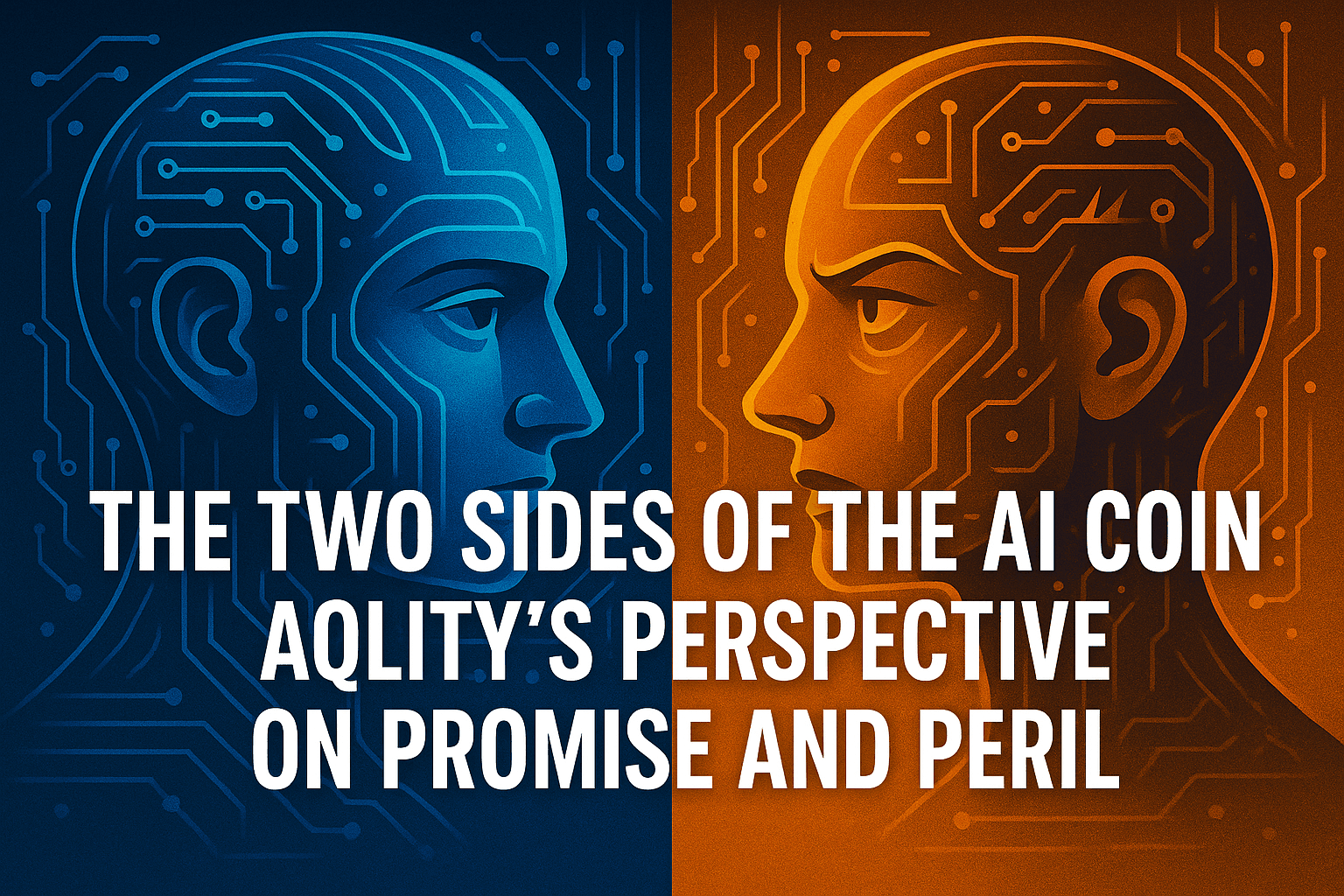
This post is a plain look at where AI genuinely helps a business, and where it needs a second look before you rely on it.
Where AI Actually Helps
AI is at its best when it takes something slow, repetitive, or hard to scale and makes it fast and cheap. A few concrete examples:
- Personalization at scale. An AI model can look at what a customer browsed or bought and tailor what they see next, something that would take a human team hours to do manually for even a handful of customers.
- Automating the boring stuff. Sorting support tickets, drafting replies, tagging leads, generating reports, AI agents can handle these in the background so people can focus on higher-value work.
- Spotting patterns humans miss. Machine learning models are good at finding trends in large amounts of data, which is useful for forecasting demand, catching unusual activity, or flagging a problem before it becomes serious.
The businesses getting the most out of AI right now aren't the ones chasing every new model. They're the ones that picked one or two real, boring problems and automated them properly.
Where to Be Careful
AI isn't magic, and treating it like magic is where things go wrong. A few things worth keeping in mind:
- It's only as good as its data. If the data an AI model learns from is biased or incomplete, its output will be too. This matters a lot if AI is making decisions that affect real people, like screening applications or approving requests.
- "Why did it say that?" is a real question. Some AI systems are hard to fully explain, which is a problem if you need to justify a decision to a customer or regulator. Simpler, more transparent setups are often the safer choice for anything customer-facing.
- Security and privacy don't take a back seat. Any system touching customer data needs to be built with security in mind from day one, not added on afterward.
How We Approach It
| Principle | What it means in practice |
|---|---|
| Start small | Automate one clear, painful task before expanding scope |
| Stay transparent | Prefer AI setups you can explain, not black boxes |
| Keep humans in the loop | Use AI to assist decisions, not replace judgment entirely |
| Build for real use | Ship something that works today, not a demo that only works once |
The direction AI takes in your business comes down to how it's built and used. Done well, it's a genuine advantage. Done carelessly, it's a liability wearing a nice UI.
If you're weighing whether an AI feature, chatbot, or automation actually makes sense for your business, that's exactly the kind of conversation worth having before any code gets written.